Penumbra Film Series
As part of the exhibition *Penumbra: Dia Art Foundation*, Fundación Proa presents a film series dedicated to some of the key figures and ideas that reshaped contemporary art from the second half of the twentieth century onward.
Through documentaries, interviews, and historical footage, the program offers an opportunity to explore artists associated with Minimalism, Land Art, perceptual experimentation, and the conceptual practices championed by Dia Art Foundation.
Programming
Sunday, June 14, 2026
Masters of Modern Sculpture: The New World
Director: Michael Blackwood
Year: 1978
Duration: 47’
Time: 3:30–4:17 p.m.
Venue: Proa Auditorium
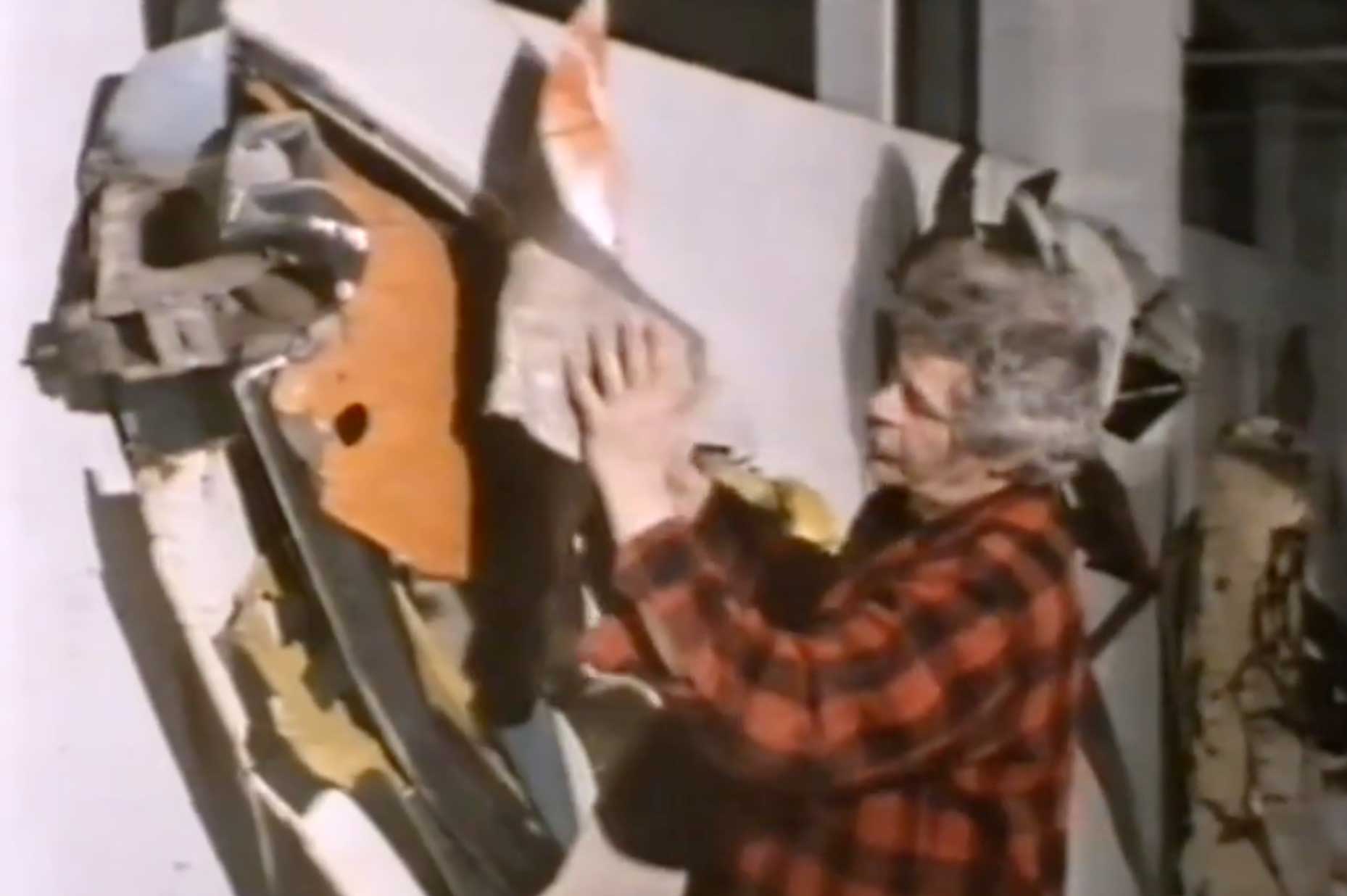
This documentary explores the careers and ideas of John Chamberlain and Richard Serra, two key figures in contemporary art whose works are part of the exhibition Penumbra at Fundación Proa.
Through archival images, interviews, and historical footage, the film reconstructs the atmosphere of artistic experimentation that transformed American sculpture during the 1960s and 1970s. Alongside Chamberlain and Serra, artists such as Donald Judd, Robert Smithson, Claes Oldenburg, Louise Nevelson, Isamu Noguchi, and Christo appear as protagonists of a period that expanded the limits of sculpture and redefined the relationship between the artwork, space, and the viewer.
Considered a valuable document of its time, the film allows audiences to hear the artists themselves and observe the context in which some of the ideas that transformed contemporary art emerged. Made in 1978 by Michael Blackwood, the documentary is now a historical record of a generation of artists that reshaped contemporary sculpture. Filmed while many of them were still developing their most influential projects, it offers access to their own voices and working processes at a decisive moment in art history.
James Turrell: The Sky on Earth
Directors: Armin Kratzert and Florian Holzherr
Year: 2013
Duration: 43’
Time: 4:30–5:13 p.m.
Venue: Proa Auditorium
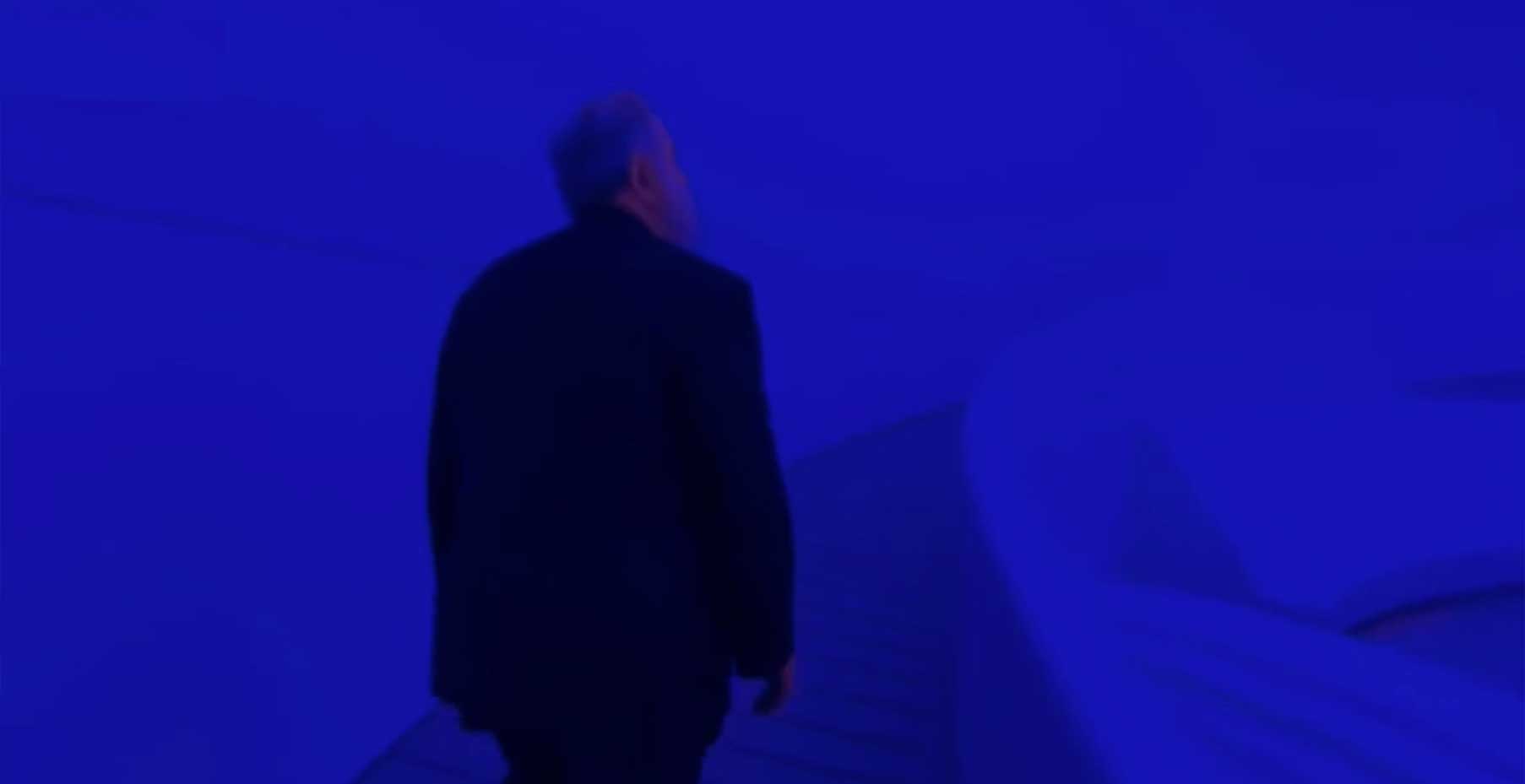
The Sky on Earth offers privileged access to Roden Crater, the monumental project James Turrell has been developing since 1974 in an extinct volcano in the Arizona desert. Conceived to bring the sky down to earth, this observatory dedicated to light, perception, and celestial phenomena transforms the landscape into a unique experience: tunnels, underground chambers, and openings aligned with astronomical events turn time, light, and the cosmos into the very materials of the work.
Described by the Financial Times as “one of the most ambitious works of contemporary art of our time,” Roden Crater has acquired an almost legendary status in recent art history. Through exceptional images of the site and conversations with James Turrell, his collaborators, and specialists such as Michael Govan, the film reveals the scale, complexity, and extraordinary vision behind a project that holds a singular place in contemporary art.
A rare opportunity to discover, from within, a work that remains inaccessible to the vast majority of the public and continues to be studied, admired, and debated in the fields of art, architecture, and perception.
“Roden Crater is probably the most grandiose idea that any artist has ever conceived.”
Michael Govan
Sunday, June 21, 2026
Andy Warhol: A Life in Art
Director: Finlay Bald
Year: 2022
Duration: 46’
Time: 3:30–4:16 p.m.
Venue: Proa Auditorium
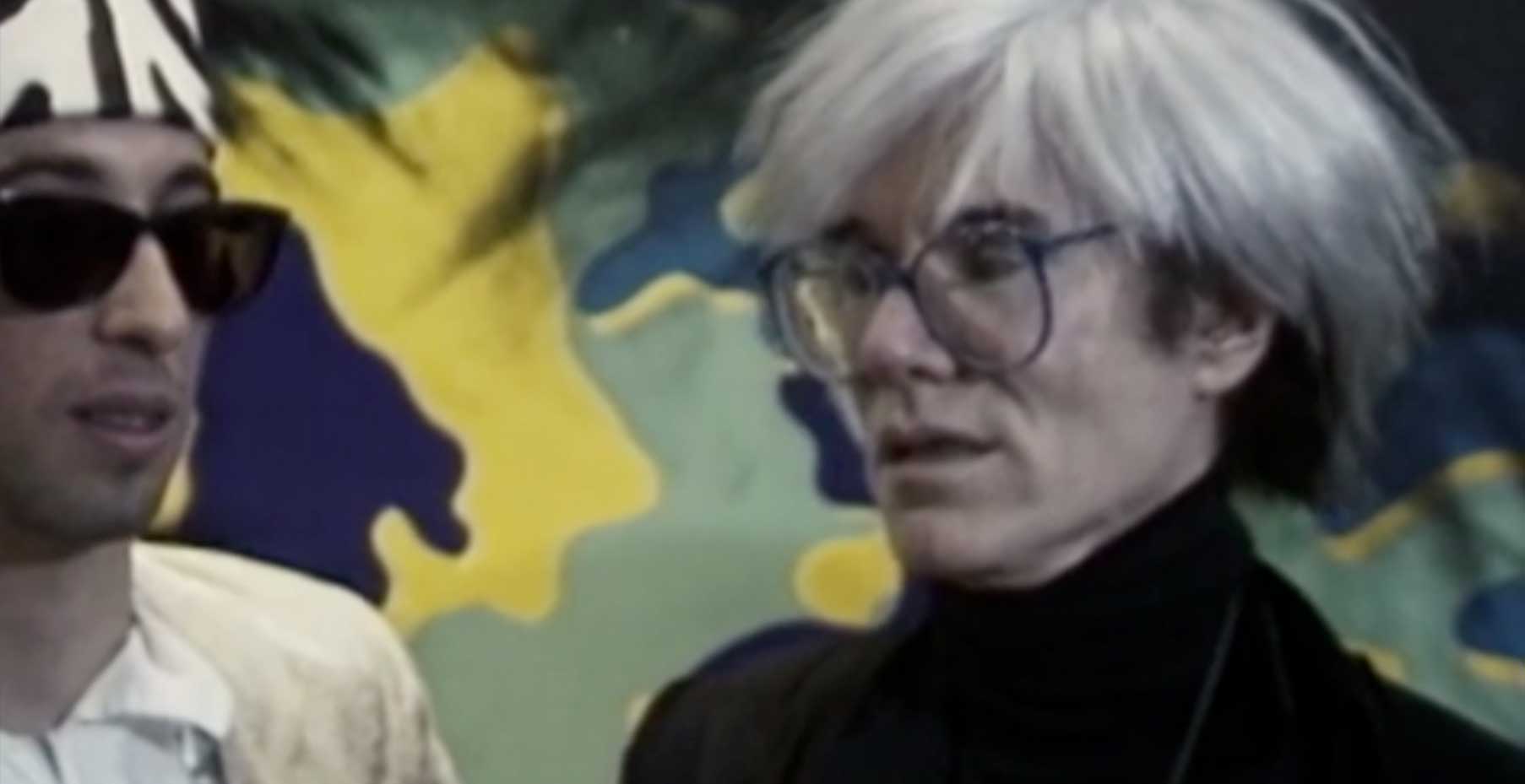
A portrait of Andy Warhol through testimonies, archival material, and an overview of his artistic production. The documentary explores how he transformed images from popular culture into contemporary icons, redefining the boundaries between art, consumer culture, celebrity, and everyday life.
This documentary traces the life and career of Andy Warhol, the artist who redefined the boundaries between art, mass consumption, celebrity, and popular culture. From his origins as the son of Eastern European immigrants to his rise as the great cultural icon of the 1960s and 1970s, the film explores the complex personality of an artist who forever changed the relationship between art, celebrity, consumption, and popular culture.
Through testimonies from friends, collaborators, and key figures in the New York scene, the film reconstructs Warhol’s rise as a privileged observer and chronicler of modern life. With an extraordinary ability to find the extraordinary in the everyday, Warhol turned familiar images—consumer products, movie stars, and public figures—into symbols of a new visual era.
The documentary examines how his work challenged traditional definitions of art, expanded its audiences, and opened questions that remain relevant today about fame, the media, identity, and the value of images in contemporary society.
Agnes Martin: With My Back to the World
Director: Mary Lance
Year: 2002
Duration: 58’
Time: 4:30–5:28 p.m.
Venue: Proa Auditorium
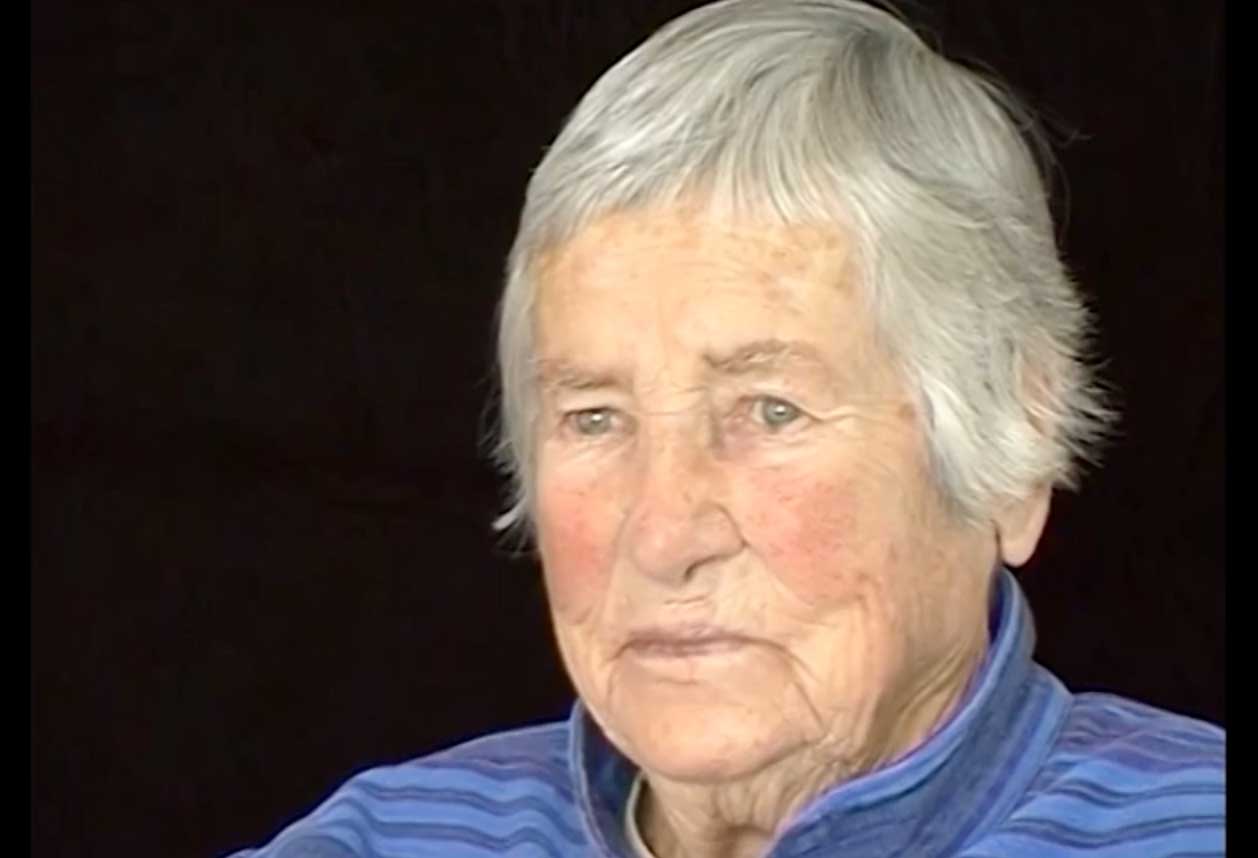
Filmed during the final years of Agnes Martin’s life, this exceptional audiovisual testimony offers the chance to hear one of the central figures of twentieth-century abstraction reflect on art, beauty, creativity, and human experience.
Agnes Martin: With My Back to the World offers an exceptional opportunity to approach an artist who rarely gave interviews and chose to live a life of retreat, away from public exposure. Filmed over four years, between 1998 and 2002—when Martin was in her ninth decade—the documentary follows one of the most influential figures of twentieth-century art in her studio in Taos, New Mexico, providing access to her reflections on art, spirituality, creativity, and human experience.
Through conversations with Martin herself, archival images, photographs, and an extensive overview of more than five decades of artistic production, the film reveals the convictions that shaped a body of work defined by the pursuit of beauty, contemplation, and transcendence. In keeping with the solitary life she chose, Martin is the only presence on screen, sharing thoughts on her working methods, writings, poetry, and her film Gabriel.
The documentary is one of the most extensive and personal audiovisual records dedicated to the artist. The result is a deeply intimate testimony that illuminates the emotional, philosophical, and spiritual dimensions of one of the most singular voices in contemporary abstraction.
Sunday, June 28, 2026
The Cool School
Director: Morgan Neville
Year: 2008
Duration: 86’
Time: 3:30–4:56 p.m.
Venue: Proa Auditorium
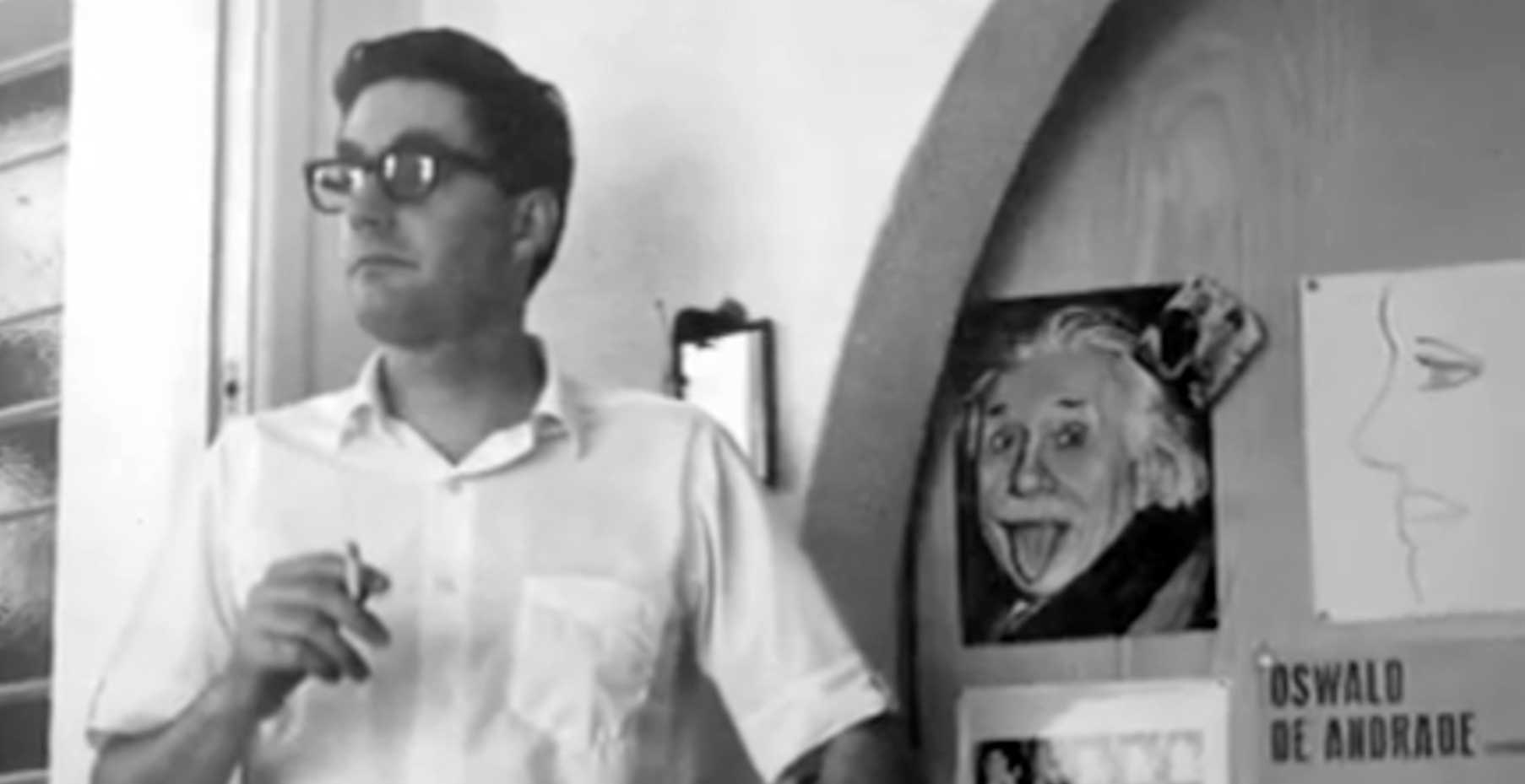
Featuring testimonies from Robert Irwin, Ed Ruscha, Larry Bell, and other key artists, The Cool School portrays a creative community that challenged New York’s dominance and redefined the place of Los Angeles in the history of contemporary art.
Directed by Morgan Neville—who would later win an Academy Award for his documentary work—The Cool School reconstructs the emergence of the Los Angeles art scene during the 1950s and 1960s. The documentary portrays a community of artists, gallerists, collectors, and curators that challenged New York’s cultural hegemony and helped establish the American West Coast as one of the main centers of postwar artistic experimentation.
Through archival material, historical photographs, and testimonies, the film reconstructs the creative climate that gave rise to a generation of artists who were essential to the development of contemporary art. Robert Irwin, Ed Ruscha, Larry Bell, Billy Al Bengston, Wallace Berman, and Ed Moses recall a period marked by freedom, collaboration, and the search for new ways of understanding artistic practice.
An exceptional opportunity to approach the cultural and intellectual context from which some of the investigations into perception, space, and light emerged—research that would shape the work of artists such as Robert Irwin and James Turrell, central figures in the exhibition Penumbra: Dia Art Foundation.
Richard Serra: A Conversation with Charlie Rose
Year: 2001
Duration: 52’
Time: 5:00–5:52 p.m.
Venue: Proa Auditorium
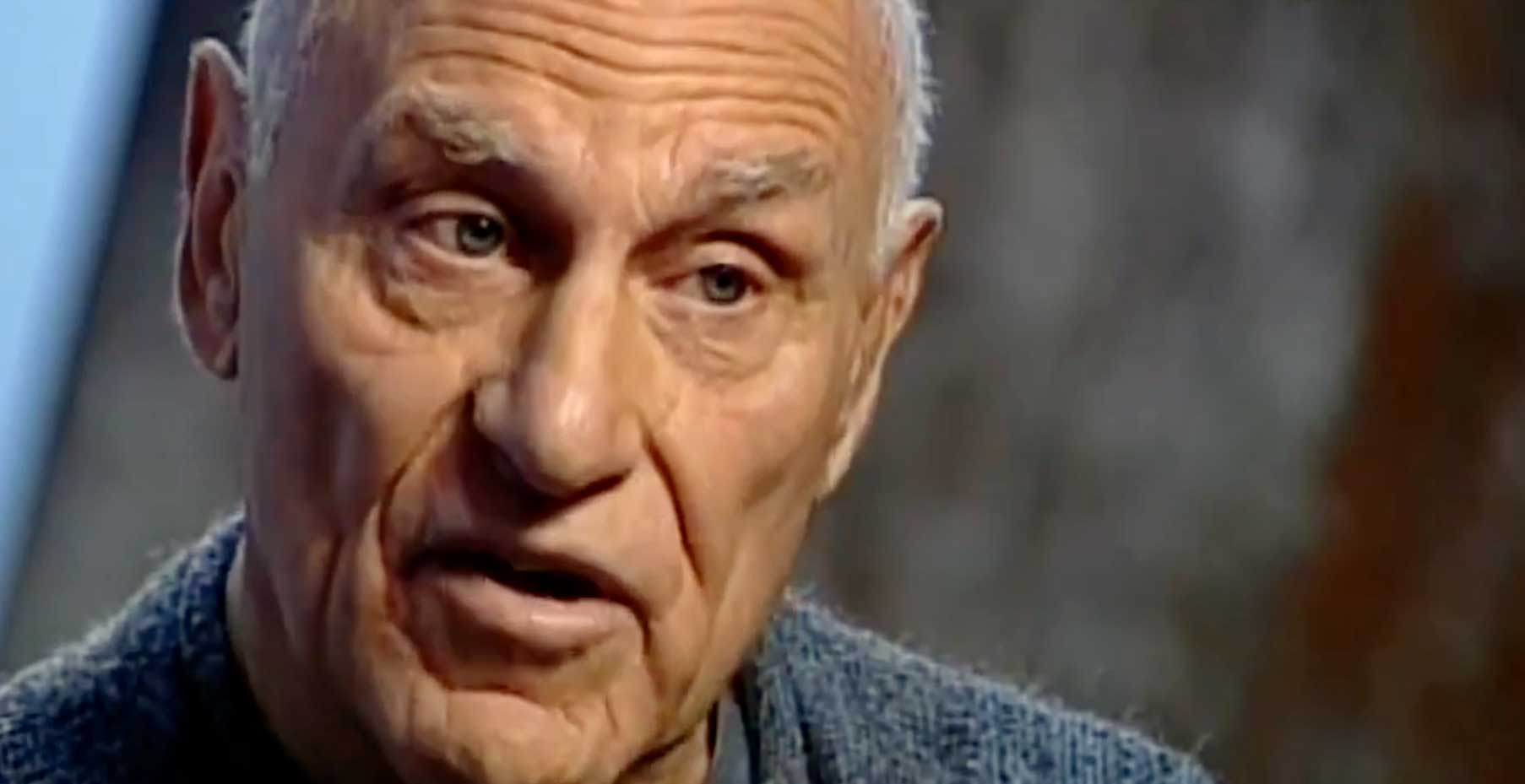
A recording of a conversation with Richard Serra held in 2001 on the occasion of an exhibition in New York. Through reflections on his sculptures, the use of industrial materials, and his work in film and video, the artist revisits the main concerns that shaped one of the most influential bodies of work in contemporary art.
In this extensive conversation filmed in 2001, Richard Serra reflects on more than four decades of artistic production and on the questions that have run through his practice: the relationship between body and space, the experience of movement, and the expressive potential of industrial materials.
Conducted on the occasion of a major exhibition at Gagosian Gallery in New York, the interview explores central aspects of his practice: from his early experiments with rubber, lead, and other industrial materials to the development of the monumental steel structures that transformed the relationship between sculpture, space, and the viewer.
Throughout the dialogue, Serra discusses his interest in perception, movement, and the physical experience of the work, while also revisiting his involvement in film and video during the 1960s and 1970s. More than a biographical overview, the film offers privileged access to the thinking of an artist who redefined sculpture as a bodily and spatial experience, challenging traditional notions of object, monument, and site.
Sunday, July 5, 2026
Dia Art Foundation Films
Duration: 105’
Time: 3:30–5:15 p.m.
Venue: Proa Auditorium
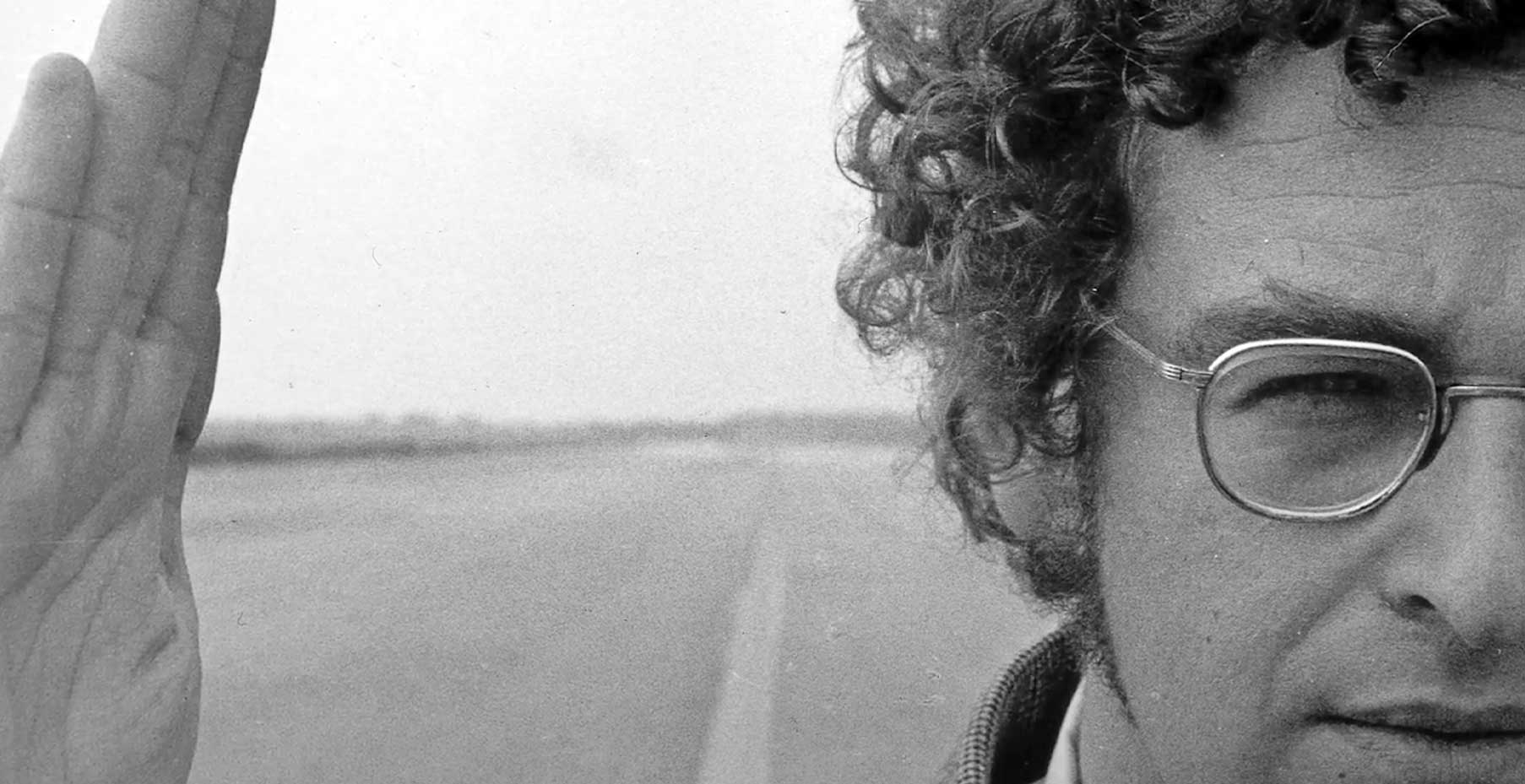
A selection of historical footage and interviews produced by Dia Art Foundation, bringing together the voices of key artists such as Walter De Maria, Robert Irwin, Richard Serra, Dan Flavin, Fred Sandback, Nancy Holt, and Robert Smithson. An exceptional journey through the ideas, processes, and debates that transformed contemporary art and that now resonate with the exhibition Penumbra.
The program includes a selection of audiovisual materials produced by Dia Art Foundation, consisting of interviews, conversations, and records from its digital archive. This compilation brings together testimonies from artists, curators, and institutional representatives, offering a direct perspective on the processes, ideas, and contexts that gave rise to some of the most significant works associated with Dia.
The materials presented serve as a guide to the main conceptual and artistic nuclei present in Penumbra: Dia Art Foundation, currently on view at Fundación Proa. The voices of Walter De Maria, Robert Irwin, Richard Serra, Dan Flavin, Fred Sandback, Nancy Holt, Robert Smithson, and other protagonists allow for a closer understanding of the investigations into space, perception, light, landscape, and the viewer’s experience that run through the exhibition.
Together, the program offers a journey through the ideas, artists, and debates that have defined the history of Dia Art Foundation, providing keys to deepen the understanding of the works gathered in Penumbra and the cultural and intellectual contexts that made them possible.
Sunday, July 12, 2026
Agnes Martin: With My Back to the World
Director: Mary Lance
Year: 2002
Duration: 58’
Time: 3:30–4:28 p.m.
Venue: Proa Auditorium
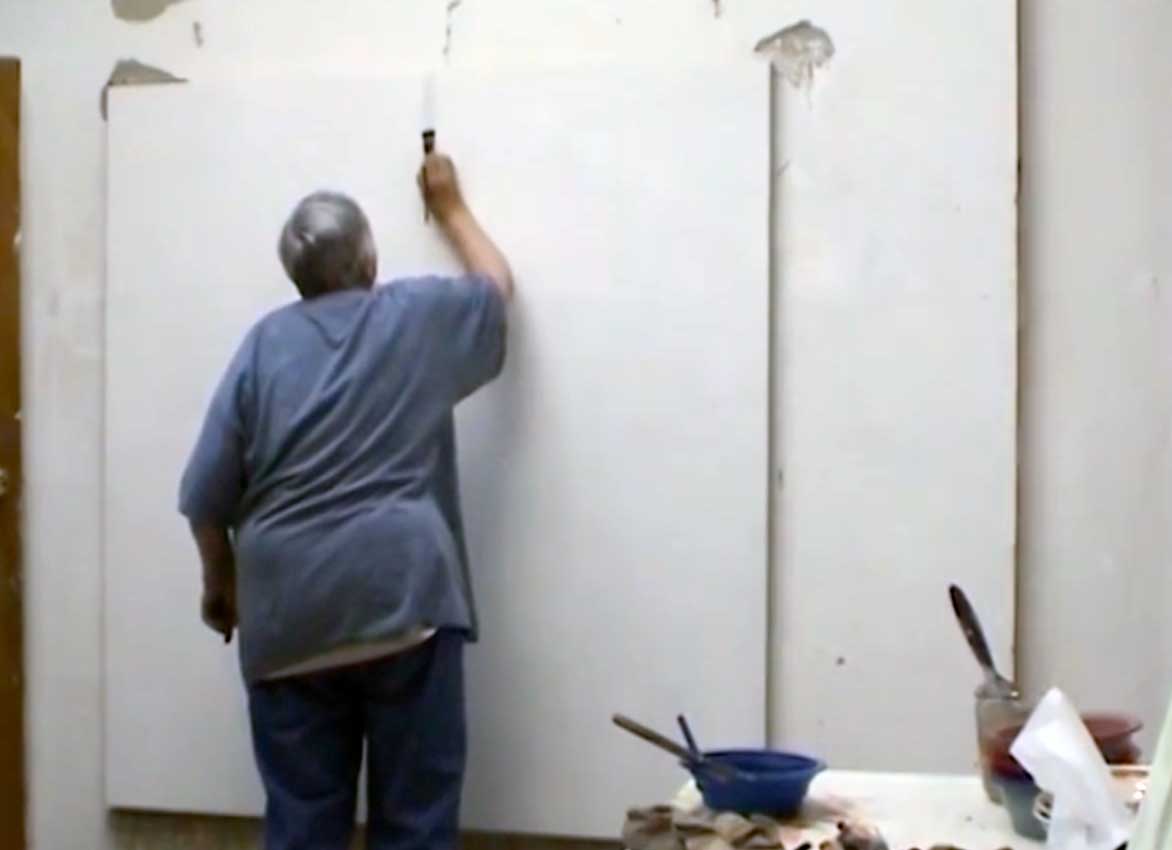
Filmed during the final years of Agnes Martin’s life, this exceptional audiovisual testimony offers the chance to hear one of the central figures of twentieth-century abstraction reflect on art, beauty, creativity, and human experience.
Agnes Martin: With My Back to the World offers an exceptional opportunity to approach an artist who rarely gave interviews and chose to live a life of retreat, away from public exposure. Filmed over four years, between 1998 and 2002—when Martin was in her ninth decade—the documentary follows one of the most influential figures of twentieth-century art in her studio in Taos, New Mexico, providing access to her reflections on art, spirituality, creativity, and human experience.
Through conversations with Martin herself, archival images, photographs, and an extensive overview of more than five decades of artistic production, the film reveals the convictions that shaped a body of work defined by the pursuit of beauty, contemplation, and transcendence. In keeping with the solitary life she chose, Martin is the only presence on screen, sharing thoughts on her working methods, writings, poetry, and her film Gabriel.
The documentary is one of the most extensive and personal audiovisual records dedicated to the artist. The result is a deeply intimate testimony that illuminates the emotional, philosophical, and spiritual dimensions of one of the most singular voices in contemporary abstraction.
James Turrell: The Sky on Earth
Directors: Armin Kratzert and Florian Holzherr
Year: 2013
Duration: 43’
Time: 4:30–5:13 p.m.
Venue: Proa Auditorium
The Sky on Earth offers privileged access to Roden Crater, the monumental project James Turrell has been developing since 1974 in an extinct volcano in the Arizona desert. Conceived to bring the sky down to earth, this observatory dedicated to light, perception, and celestial phenomena transforms the landscape into a unique experience: tunnels, underground chambers, and openings aligned with astronomical events turn time, light, and the cosmos into the very materials of the work.
Described by the Financial Times as “one of the most ambitious works of contemporary art of our time,” Roden Crater has acquired an almost legendary status in recent art history. Through exceptional images of the site and conversations with James Turrell, his collaborators, and specialists such as Michael Govan, the film reveals the scale, complexity, and extraordinary vision behind a project that holds a singular place in contemporary art.
A rare opportunity to discover, from within, a work that remains inaccessible to the vast majority of the public and continues to be studied, admired, and debated in the fields of art, architecture, and perception.
“Roden Crater is probably the most grandiose idea that any artist has ever conceived.”
Michael Govan
Sunday, July 19, 2026
Andy Warhol: A Life in Art
Director: Finlay Bald
Year: 2022
Duration: 46’
Time: 3:30–4:16 p.m.
Venue: Proa Auditorium
A portrait of Andy Warhol through testimonies, archival material, and an overview of his artistic production. The documentary explores how he transformed images from popular culture into contemporary icons, redefining the boundaries between art, consumer culture, celebrity, and everyday life.
This documentary traces the life and career of Andy Warhol, the artist who redefined the boundaries between art, mass consumption, celebrity, and popular culture. From his origins as the son of Eastern European immigrants to his rise as the great cultural icon of the 1960s and 1970s, the film explores the complex personality of an artist who forever changed the relationship between art, celebrity, consumption, and popular culture.
Through testimonies from friends, collaborators, and key figures in the New York scene, the film reconstructs Warhol’s rise as a privileged observer and chronicler of modern life. With an extraordinary ability to find the extraordinary in the everyday, Warhol turned familiar images—consumer products, movie stars, and public figures—into symbols of a new visual era.
The documentary examines how his work challenged traditional definitions of art, expanded its audiences, and opened questions that remain relevant today about fame, the media, identity, and the value of images in contemporary society.
The Cool School
Dirección: Morgan Neville
Año: 2008
Duración: 86’
Horario: 15.30 a 16.56 h
Espacio: Auditorio Proa
Con testimonios de Robert Irwin, Ed Ruscha, Larry Bell y otros artistas fundamentales, The Cool School retrata una comunidad creativa que desafió la hegemonía de Nueva York y redefinió el lugar de Los Ángeles en la historia del arte contemporáneo.
Dirigido por Morgan Neville —quien años más tarde obtendría el Premio de la Academia por su trabajo documental—, The Cool School reconstruye el surgimiento de la escena artística de Los Ángeles durante las décadas de 1950 y 1960. El documental retrata una comunidad de artistas, galeristas, coleccionistas y curadores que desafió la hegemonía cultural de Nueva York y contribuyó a convertir a la costa oeste estadounidense en uno de los principales centros de experimentación artística de la posguerra.
A partir de material de archivo, fotografías históricas y testimonios, el film reconstruye el clima creativo que dio origen a una generación de artistas fundamentales para el desarrollo del arte contemporáneo. Robert Irwin, Ed Ruscha, Larry Bell, Billy Al Bengston, Wallace Berman y Ed Moses recuerdan aquí una época marcada por la libertad, la colaboración y la búsqueda de nuevas formas de entender la práctica artística.
Una oportunidad excepcional para acercarse al contexto cultural e intelectual del que surgieron algunas de las investigaciones sobre percepción, espacio y luz que marcarían el trabajo de artistas como Robert Irwin y James Turrell, figuras centrales de la exhibición Penumbra: Dia Art Foundation.
Sunday, July 26, 2026
Richard Serra: A Conversation with Charlie Rose
Year: 2001
Duration: 52’
Time: 3:30–4:22 p.m.
Venue: Proa Auditorium
A recording of a conversation with Richard Serra held in 2001 on the occasion of an exhibition in New York. Through reflections on his sculptures, the use of industrial materials, and his work in film and video, the artist revisits the main concerns that shaped one of the most influential bodies of work in contemporary art.
In this extensive conversation filmed in 2001, Richard Serra reflects on more than four decades of artistic production and on the questions that have run through his practice: the relationship between body and space, the experience of movement, and the expressive potential of industrial materials.
Conducted on the occasion of a major exhibition at Gagosian Gallery in New York, the interview explores central aspects of his practice: from his early experiments with rubber, lead, and other industrial materials to the development of the monumental steel structures that transformed the relationship between sculpture, space, and the viewer.
Throughout the dialogue, Serra discusses his interest in perception, movement, and the physical experience of the work, while also revisiting his involvement in film and video during the 1960s and 1970s. More than a biographical overview, the film offers privileged access to the thinking of an artist who redefined sculpture as a bodily and spatial experience, challenging traditional notions of object, monument, and site.
Dia Art Foundation Films
Duration: 105’
Time: 4:30–6:15 p.m.
Venue: Proa Auditorium
A selection of historical footage and interviews produced by Dia Art Foundation, bringing together the voices of key artists such as Walter De Maria, Robert Irwin, Richard Serra, Dan Flavin, Fred Sandback, Nancy Holt, and Robert Smithson. An exceptional journey through the ideas, processes, and debates that transformed contemporary art and that now resonate with the exhibition Penumbra.
The program includes a selection of audiovisual materials produced by Dia Art Foundation, consisting of interviews, conversations, and records from its digital archive. This compilation brings together testimonies from artists, curators, and institutional representatives, offering a direct perspective on the processes, ideas, and contexts that gave rise to some of the most significant works associated with Dia.
The materials presented serve as a guide to the main conceptual and artistic nuclei present in Penumbra: Dia Art Foundation, currently on view at Fundación Proa. The voices of Walter De Maria, Robert Irwin, Richard Serra, Dan Flavin, Fred Sandback, Nancy Holt, Robert Smithson, and other protagonists allow for a closer understanding of the investigations into space, perception, light, landscape, and the viewer’s experience that run through the exhibition.
Together, the program offers a journey through the ideas, artists, and debates that have defined the history of Dia Art Foundation, providing keys to deepen the understanding of the works gathered in Penumbra and the cultural and intellectual contexts that made them possible.